
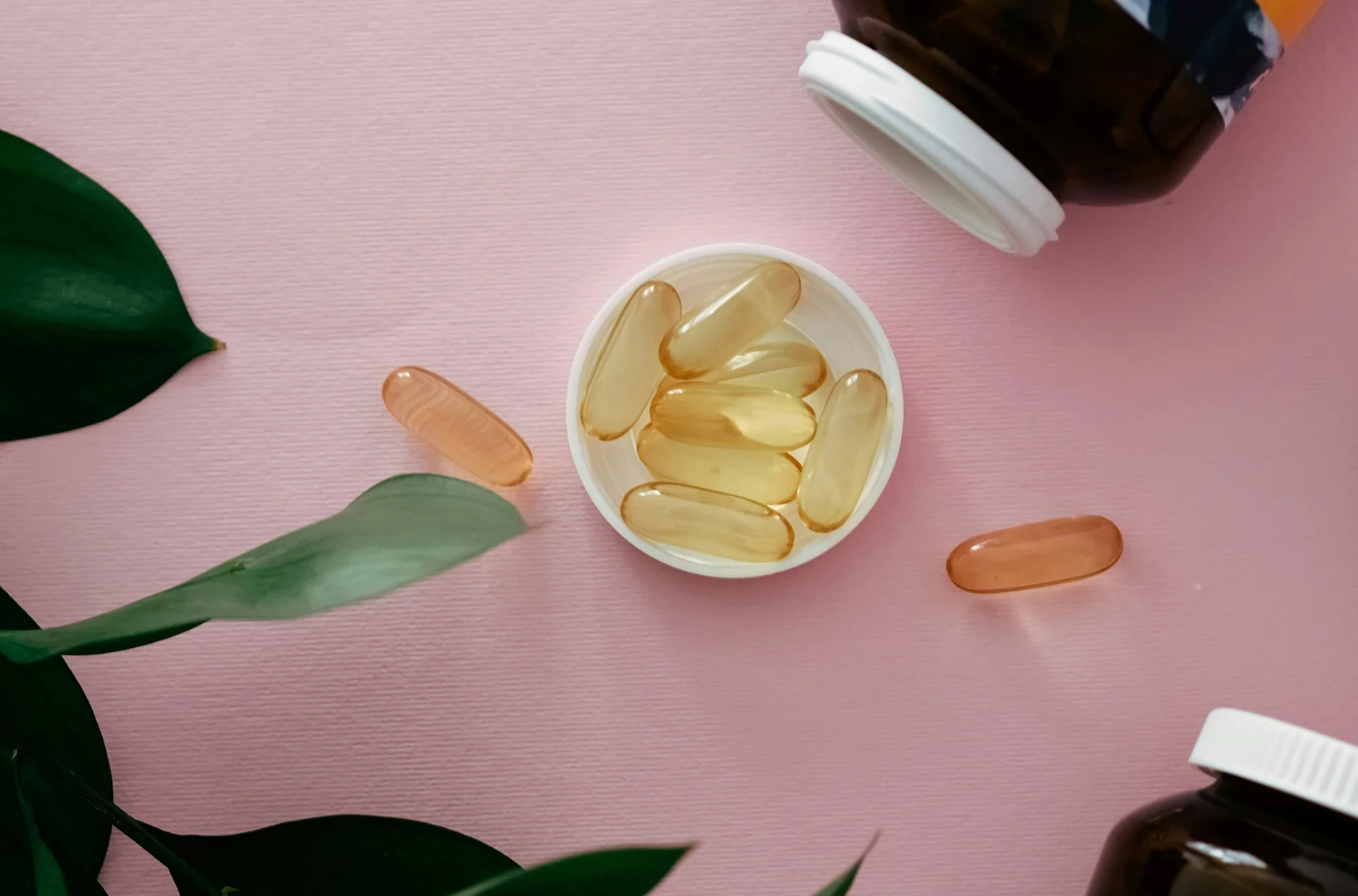
Many people wonder why some hair transplant results look fuller and healthier than others even when the procedures seem the same, and that curiosity often leads them toward vitamins that support natural recovery. According to our editor’s research, the choices made during the first months play a gentle but meaningful role in how the new grafts adapt. You may notice that your scalp feels different in texture and sensitivity as the healing process continues. This change is normal because your follicles are adapting to a new environment. When this happens, vitamins become a simple but helpful tool rather than a miracle solution. They never replace medical care, yet they still provide steady support that many experts appreciate in post-transplant routines.
How vitamins affect follicle strength?
When you think of vitamins, you might picture simple supplements, but their role in follicle recovery relates to cell renewal and nutrient transport. As a result of our editor’s reviews, it is clear that weak follicles often appear in people with poor nutritional intake, especially after a medical procedure like a transplant. Each graft needs consistent nourishment to anchor itself properly. This nourishment depends on micronutrients carried through blood flow. If these nutrients are lacking, the graft may struggle during the early growth phase. Many specialists highlight that steady vitamin intake encourages stable cell turnover. This stability helps the newly placed follicles transition from their resting phase to the growth phase more comfortably. You may feel small changes, such as reduced shedding or better scalp comfort, but these signs appear gradually rather than quickly.
Biotin and its role in keratin support
Biotin is one of the most commonly discussed vitamins in hair care because it supports keratin production, which strengthens the structure of each strand. According to our editor’s research, biotin becomes more important for individuals who notice brittle hair after their procedure. Brittle strands may break before reaching the length you expect, and this can create the impression of slow growth. When keratin levels improve, hair strands resist breakage more effectively. Many people also notice better shine and smoother texture after consistent biotin intake. It is important to remember that biotin does not increase the number of grafts or speed up the biological growth cycle. Instead, it protects the hair that your follicles already produce, ensuring that your final result looks more polished and uniform.
Vitamin D and scalp renewal
Vitamin D plays a meaningful role in how follicles cycle through growth and rest. Some research suggests that people with low Vitamin D levels experience delayed growth after a transplant. As a result of our editor’s reviews, Vitamin D deficiency is more common than many imagine, especially in adults who spend much of their time indoors. This deficiency can influence the strength of newly implanted follicles. When Vitamin D improves, the scalp often feels healthier, less irritated, and more balanced. These small improvements matter because comfort affects how well you care for your scalp during the healing period. If you feel less discomfort, you are less likely to scratch or disturb grafted areas. This indirect benefit makes Vitamin D a quiet but powerful helper in the overall recovery journey.
How Vitamin C assists collagen and healing?
Vitamin C is widely known for its role in immunity, but its impact on graft stability comes from collagen formation. Collagen supports the skin structure surrounding each follicle. When the skin heals well, the grafts sit more securely in place. According to our editor’s research, people with poor collagen levels often experience slower healing after medical procedures. Vitamin C also supports better absorption of iron, which assists blood quality and nutrient flow. Stronger circulation ensures that each graft receives the oxygen it needs during the first months. You may notice that your scalp heals more evenly when Vitamin C levels are adequate. This improvement does not accelerate hair length but creates a healthier foundation for consistent growth.
What about zinc and its protective effects?
Zinc plays a quiet but essential role in protecting the scalp from irritation. Many individuals experience redness, dryness, or flakiness during the early healing phase. As a result of our editor’s reviews, zinc contributes to calm and balanced skin renewal. It helps reduce minor inflammation that often makes new grafts feel tender. A stable scalp surface makes daily care easier, especially when washing or moisturizing newly transplanted areas. Zinc also supports protein synthesis, which contributes to the strength of developing hair strands. People with zinc deficiency often report increased shedding, and correcting this deficiency may help stabilize the growth pattern. This improvement appears gradually over several weeks, offering gentle but meaningful support.
How B-complex vitamins impact energy and growth?
B-complex vitamins affect how the body converts nutrients into usable energy. This energy matters for follicle growth because each graft undergoes metabolic activity during its development phase. According to our editor’s research, some people experience fatigue after a transplant, and low B-vitamin levels may contribute. When B-complex intake improves, many individuals report better scalp vitality and overall comfort. These vitamins support red blood cell production, which directly influences nutrient transportation. Stronger circulation helps grafted areas receive what they need without interruptions. You may notice a more consistent hair pattern over time when B-complex levels remain stable, reinforcing the importance of these nutrients.
Can Vitamin E help with scalp balance?
Vitamin E is known for its antioxidant effects, which help protect cells from oxidative stress. This protection becomes important for follicle recovery because oxidative stress may affect the comfort of newly transplanted areas. As a result of our editor’s reviews, Vitamin E contributes to softer skin texture and more balanced scalp hydration. When hydration improves, people often feel less itchiness during the healing phase. Reduced itchiness helps protect grafts from accidental disturbance. This quiet protection supports better long-term results, especially when combined with proper medical aftercare. Vitamin E does not directly accelerate growth, but it helps maintain a calm healing environment.
Do multivitamins offer combined support?
Many people prefer taking a single multivitamin instead of multiple individual supplements. According to our editor’s research, multivitamins can provide balanced support for those who struggle to maintain consistent nutrition. They offer a mixture of essential nutrients that work together to maintain stable follicle activity. While multivitamins do not enhance growth beyond natural limits, they help prevent deficiencies that slow progress. This prevention plays a meaningful role in the overall satisfaction with transplant results. You may find that a general multivitamin keeps your routine simple and manageable, especially during busy periods. Simple routines often lead to better long-term consistency.
How to choose vitamins safely?
Choosing vitamins after a transplant requires caution because not every supplement suits every person. As a result of our editor’s reviews, many experts recommend discussing supplements with healthcare professionals who understand your medical background. Certain medical conditions or medications may interact with supplements. Understanding these factors ensures that your vitamin routine supports your health without complications. You may also consider starting with low doses before adjusting your routine. This gradual approach helps you observe how your body responds. Many people appreciate a slow introduction because it offers clarity and comfort during recovery.