
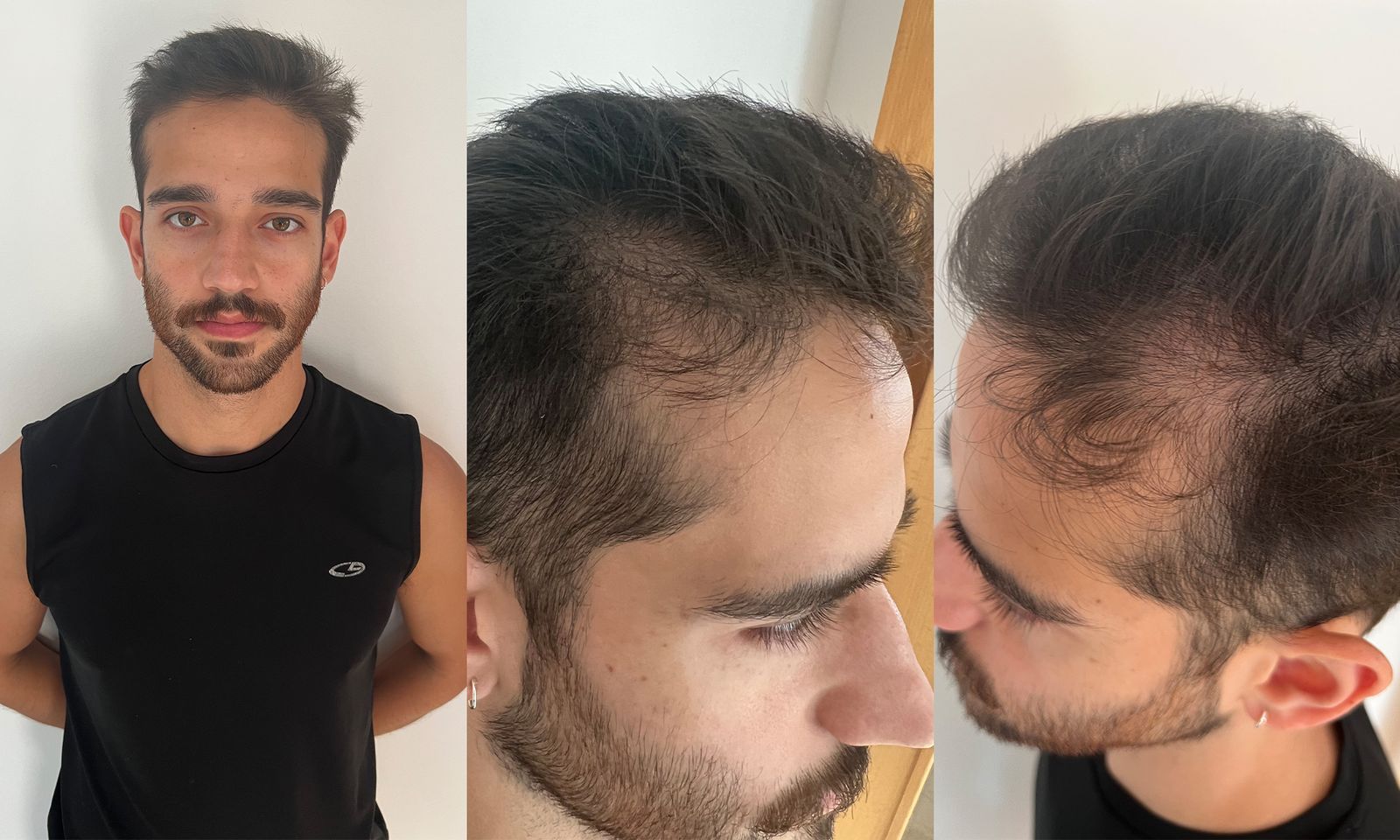
Many people explore hair transplants after noticing subtle changes that gradually affect confidence, and this moment often begins with a simple question about what actually creates natural-looking outcomes in modern clinics. Patients sometimes recall the first signs of thinning as mild annoyances, yet these concerns grow when hairlines shift in ways that feel unfamiliar. According to our editor’s research, most people seek reassurance rather than miracles, and this emotional layer shapes the entire process from consultation to follow-up. Surgeons understand these expectations well, so they explain how planning, technique and aftercare work together like puzzle pieces. This conversation helps set the tone for everything that follows, making the experience feel less intimidating. Natural results begin long before the procedure itself.
What makes a hairline look natural?
A natural hairline depends on thoughtful design that respects facial proportions, age and personal characteristics that shape overall appearance. Surgeons often emphasize that the goal is not perfection but harmony because overly sharp lines appear artificial. As a result of our editor’s reviews, skilled practitioners usually examine photographs of earlier life stages to understand natural direction patterns. They also consider how hair naturally varies in density from the center to the temple area. These patterns guide every placement decision and ensure subtle transitions that blend with existing hair. Surgeons explain that each person requires a slightly different contour, which reinforces the importance of individualized planning. This approach prevents the uniform look associated with outdated techniques.
How does follicle selection influence the final result?
Follicle selection shapes the entire aesthetic because each graft carries a unique number of hairs that determine coverage and definition. According to our editor’s research, surgeons choose finer single-hair grafts for the front line and reserve multi-hair grafts for deeper layers that provide volume. This separation creates a soft visual effect that mimics natural growth. Clinics often examine the donor area carefully to understand hair thickness, curl pattern and growth direction before choosing graft combinations. These decisions appear small but significantly influence how natural the final result appears. Matching graft type to the correct area prevents the “pluggy” look seen in older procedures. Skilled selection ensures uniform blending across the scalp.
How do modern techniques improve natural appearance?
Modern approaches such as follicular unit extraction rely on precise harvesting that reduces scarring and enhances visual consistency. Surgeons remove grafts individually, allowing more controlled placement without disturbing surrounding tissues. As a result of our editor’s reviews, this method helps maintain the natural angle and orientation of each transplanted follicle. Clinics combine magnification tools with fine instruments to ensure delicate handling, which improves survival rates and strengthens long-term growth. This technique also allows surgeons to choose grafts from specific donor zones to match the recipient area more closely. These steps help create smoother blends and more natural transitions that hold their appearance over time.
Why is angle and direction important?
The angle and direction of each graft affect how hair lies, moves and reflects light, shaping the overall impression of naturalness. Surgeons explain that even small alignment mistakes alter the visual flow of hair and create noticeable irregularities. According to our editor’s research, skilled practitioners study native growth patterns carefully before inserting grafts because each region of the scalp grows at a slightly different angle. Proper orientation helps transplanted hair behave normally when washed, styled or exposed to wind. This natural movement reassures patients and adds realism to the result. These details require experience and patience, making direction one of the most essential components of successful outcomes.
What role does density play in natural-looking results?
Density contributes to the illusion of fullness because the human eye interprets closely spaced hairs as healthier growth. However, surgeons caution that too much density risks damaging surrounding follicles and reducing long-term success. As a result of our editor’s reviews, modern clinics balance density strategically by placing grafts in patterns that mimic natural spacing. They increase density gradually toward areas that require more coverage while maintaining soft edges near the hairline. This approach avoids heavy clustering that appears artificial. Patients often appreciate this balanced effect because it restores presence without creating unnatural thickness. Density planning helps ensure sustainable and realistic growth.
How does lifestyle influence transplant success?
Lifestyle habits affect healing, growth quality and overall long-term results. Surgeons frequently remind patients that good aftercare supports natural-looking outcomes just as much as the procedure itself. According to our editor’s research, gentle handling, sun protection and proper washing routines help protect grafts during early healing. Stress management and balanced nutrition also contribute to healthy growth cycles. These habits may sound simple, yet they shape the final result significantly. Many clinics guide patients through practical routines such as avoiding tight hats or harsh styling during early stages. This personalized support maintains progress and strengthens confidence throughout recovery.
What should patients expect during the growth phase?
Growth occurs gradually over several months because transplanted follicles require time to settle, shed and re-enter natural growth cycles. Patients often experience temporary shedding, which may feel concerning if they are not prepared for it. As a result of our editor’s reviews, clinics explain this phase clearly because understanding it reduces anxiety and prevents unrealistic expectations. New hair usually emerges soft and thin before gaining strength and volume. This gradual transformation reinforces the importance of patience. Many patients begin noticing meaningful improvements around the fourth month, yet full results may continue developing for up to a year. This timeline helps align expectations with natural biological rhythms.
How do surgeons personalize treatment plans?
Personalization determines how natural the result feels to both the patient and observers. Surgeons evaluate age, facial structure, hair texture and long-term pattern predictions before designing a tailored plan. According to our editor’s research, these decisions help maintain realism as the patient ages. For example, an overly youthful hairline may look unnatural later, so surgeons adjust designs to suit future appearance. They also consider donor capacity to avoid overharvesting, which could create visible thinning. Personalized plans allow balanced placement that supports both present and future needs. This approach ensures longevity and avoids mismatched density across different regions.
Why do follow-up appointments matter for natural results?
Follow-up visits allow surgeons to monitor healing, adjust care routines and ensure long-term success. Patients often bring questions related to growth patterns, washing techniques or early shedding. As a result of our editor’s reviews, consistent follow-up helps detect minor concerns before they become complications. Surgeons may recommend topical treatments or supportive therapies that improve density or strengthen follicles. These adjustments help maintain a natural appearance over the years. Many patients appreciate follow-up appointments because they offer reassurance during the slower phases of growth. This ongoing care reinforces the partnership between patient and practitioner.
What emotional factors influence perceived naturalness?
Emotional responses influence how patients perceive their own results because confidence plays a major role in satisfaction. Many people describe a sense of renewed identity when their appearance feels closer to their earlier self. According to our editor’s research, emotional comfort grows when expectations match realistic outcomes, and this alignment encourages healthier perspectives. Surgeons also acknowledge that some patients compare themselves to idealized images, which can distort expectations. Supportive conversations help patients appreciate gradual improvements rather than immediate transformation. Emotional insight strengthens the overall experience and reduces unnecessary stress associated with the recovery period.
How do clinics maintain realistic expectations?
Clinics guide patients through balanced discussions that highlight both benefits and limitations because honest communication supports trust and satisfaction. Surgeons explain what the procedure can achieve without exaggerating its potential. As a result of our editor’s reviews, this honesty prevents disappointment and ensures the final result feels natural to both the patient and others. Many clinics use digital simulations to illustrate possible outcomes, but they remind patients that simulations represent approximations. This transparency allows patients to feel involved in their treatment decisions. Realistic expectations create long-term comfort and help maintain appreciation for subtle but meaningful improvements.