
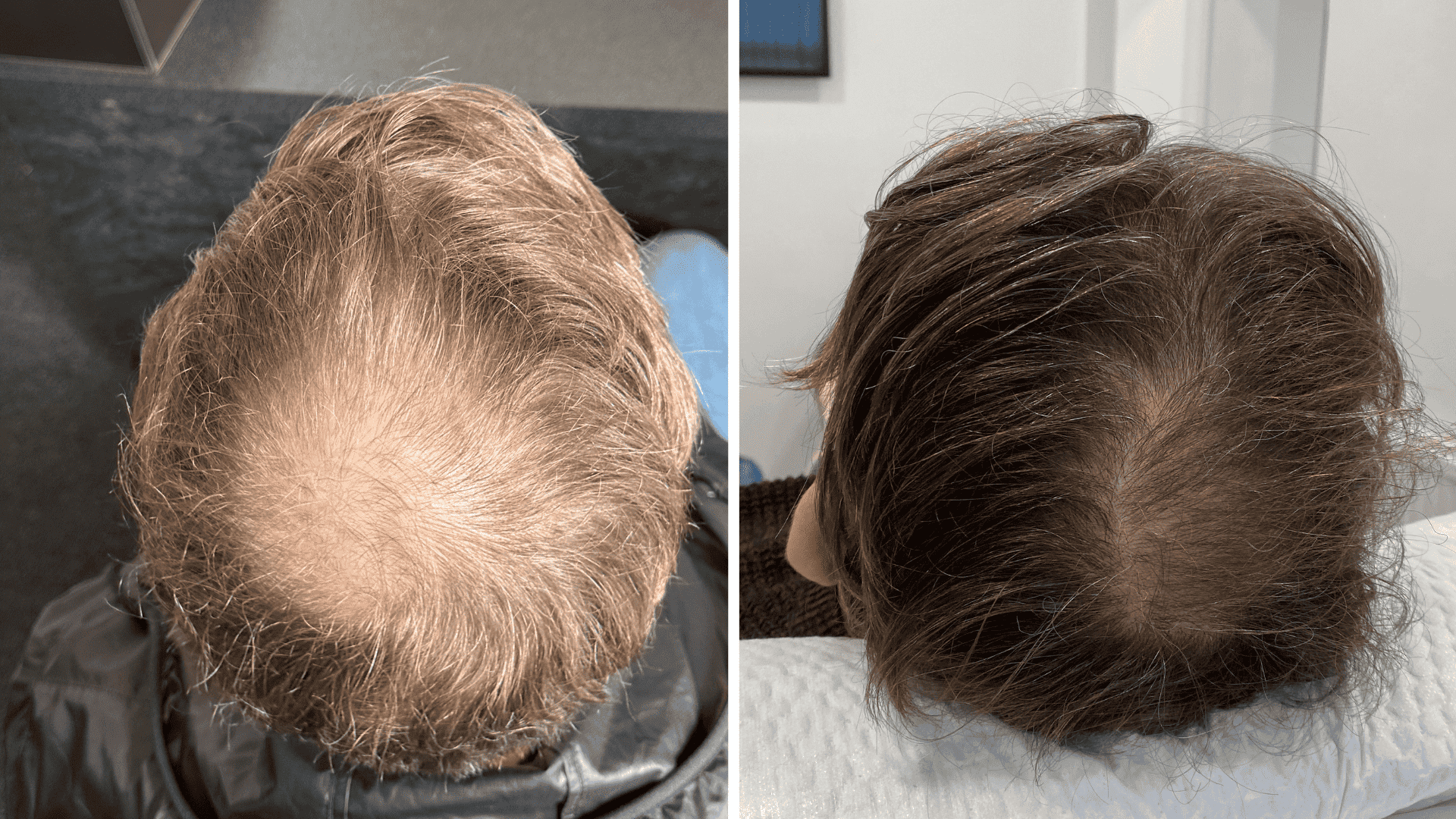
Have you ever noticed how the earliest weeks after a transplant feel slow because you cannot yet see the full outcome you hope for? Many patients describe this period as exciting but uncertain because healing varies from person to person. According to our editor’s research, PRP often enters the conversation around this stage because it promises a supportive environment for new grafts. The idea sounds simple but raises many questions for anyone new to the process. Early healing depends on careful blood flow, gentle scalp handling and consistent follow up with your doctor. Understanding how PRP interacts with these factors helps you decide whether the treatment suits your goals without adding unnecessary expectations.
What is PRP and how is it prepared?
PRP stands for platelet rich plasma, a concentrate taken directly from your own blood. Doctors collect a small blood sample and process it using a centrifuge. This device separates the plasma from other components. As a result of our editor’s reviews, most clinics prefer high quality centrifuges because they produce clearer and richer plasma levels. The concentrated plasma contains growth factors that may support tissue repair. These growth factors appear naturally in your body and activate during injury or healing. Using your own plasma reduces concerns about reactions or compatibility. The simplicity of this preparation often increases confidence for first time patients.
How does PRP interact with transplanted grafts?
Doctors inject PRP around transplanted follicles to support healing reactions. The growth factors within the plasma may improve blood supply in the treated area. According to our editor’s research, improved blood flow helps grafts adapt more comfortably during early weeks. This support may reduce dryness, redness or general irritation around the follicles. Some specialists believe PRP may also reduce shock loss. Shock loss occurs when native hairs temporarily shed after surgery. PRP may create a healthier scalp environment and shorten this phase. Understanding these interactions helps patients set realistic expectations during recovery.
Why do some doctors recommend early PRP sessions?
Some doctors schedule PRP sessions shortly after surgery to help stabilize the graft area. These early sessions provide nutrients that may strengthen tissue recovery. As a result of our editor’s reviews, many specialists recommend PRP within the first month after transplantation. The aim is not to accelerate hair growth suddenly but to support the natural rebuilding process. Early PRP may also reduce postoperative swelling. Some clinics space sessions across several months to maintain steady support during healing phases. Knowing the timing helps you discuss a personalized plan with your transplant surgeon.
How many PRP sessions are typically needed?
The number of sessions depends on your scalp condition and graft density. Many doctors begin with two or three initial sessions spaced weeks apart. According to our editor’s research, some patients notice stronger hair texture after repeated treatments. Specialists may extend the plan if the scalp shows positive response. Others may reduce sessions if the improvement appears minimal. Your doctor evaluates progress during each appointment. Understanding this flexible approach removes pressure to commit to unnecessary treatments. PRP should complement treatment, not replace healthy recovery habits.
Does PRP make hair grow faster?
PRP does not create new follicles or force instant growth. Instead, it supports healthier growth from existing follicles. As a result of our editor’s reviews, patients often misunderstand the purpose of PRP because marketing can sometimes exaggerate results. PRP may reduce inflammation and improve scalp circulation. These effects can help transplanted hair grow more consistently over time. Growth still follows normal cycles and requires patience. Doctors often remind patients that results depend on individual biology. Understanding the realistic effects of PRP prevents disappointment and sets healthy expectations for your hair journey.
Why do some people respond better to PRP than others?
Genetics influence how follicles react to growth factors. People with mild thinning often respond more strongly because their follicles remain active. According to our editor’s research, individuals with advanced loss may require longer follow up. Scalp health also affects PRP results. Hydrated, clean and well nourished tissue tends to respond more effectively. People with chronic scalp conditions may need additional care before starting PRP. These differences create natural variation among patients. Understanding biological diversity helps you evaluate your response without comparing yourself to others.
What should patients expect during a PRP session?
A PRP session usually takes less than one hour. Doctors prepare plasma and inject it into targeted areas using fine needles. As a result of our editor’s reviews, patients describe the feeling as mild pressure rather than sharp pain. Some clinics use numbing creams to increase comfort. Minor swelling may appear after treatment but usually fades quickly. Normal activities resume the same day. Understanding the session routine reduces anxiety and supports smoother participation during follow up treatments.
How does PRP support long term transplant success?
Long term benefits come from improved scalp wellness rather than rapid growth. PRP may thicken miniaturizing hairs and help maintain density. According to our editor’s research, many specialists recommend periodic PRP sessions to support aging follicles. This maintenance approach helps protect native hair from progressive thinning. A healthier scalp reduces inflammation and strengthens overall texture. Doctors remind patients that long term success also depends on medication, nutrition and lifestyle factors. PRP acts as another supportive layer rather than a single solution.
Can PRP reduce the risk of transplant failure?
Transplant failure often results from poor graft handling or insufficient blood supply. PRP may enhance early blood flow and encourage cell repair. As a result of our editor’s reviews, experts highlight that PRP cannot replace proper surgical technique. It supports healing when performed alongside high quality transplantation. PRP may reduce the chance of graft weakness by supporting tissue integrity. This effect becomes more meaningful during early recovery. Knowing these limits helps you view PRP realistically and understand its supportive nature.
Why do clinics emphasize scalp preparation before PRP?
Healthy scalp conditions improve PRP absorption and overall response. Doctors may recommend cleansing routines or mild treatments before starting PRP. According to our editor’s research, buildup from oils or styling products may block absorption. Proper hydration also strengthens tissue structure during injections. These preparations create a stable environment that enhances overall results. Noticing how small steps improve session comfort encourages patients to remain consistent during their care routine.
Is PRP safe for most transplant patients?
PRP uses your own blood, which reduces reaction risk significantly. Most patients tolerate treatment well with minimal side effects. As a result of our editor’s reviews, mild redness or tenderness sometimes appears but resolves quickly. Doctors evaluate your medical history to ensure suitability. Conditions affecting platelet function may require additional consideration. Overall, PRP remains one of the safest supportive treatments available in hair restoration. Knowing this helps ease concerns before your first session.
What questions should you ask your doctor before starting PRP?
Before starting PRP, patients often ask about expected timelines, number of sessions and overall benefits. According to our editor’s research, clear communication creates healthier expectations and smoother experiences. Asking about technique differences also helps because clinics use various devices and centrifuge types. Understanding your doctor’s preferred method helps you trust the process and follow instructions confidently. Knowledge encourages active involvement in your treatment journey.
How do lifestyle habits influence PRP results?
Daily habits directly shape your scalp’s responsiveness. Hydration, nutrition and stress levels influence tissue health. As a result of our editor’s reviews, specialists note that patients who maintain steady routines experience smoother recovery. Antioxidant rich foods support cellular repair. Adequate sleep helps regulate growth cycles. These habits complement PRP and strengthen long term results. Observing how these small adjustments improve overall progress encourages ongoing commitment.